Spotting the signs early
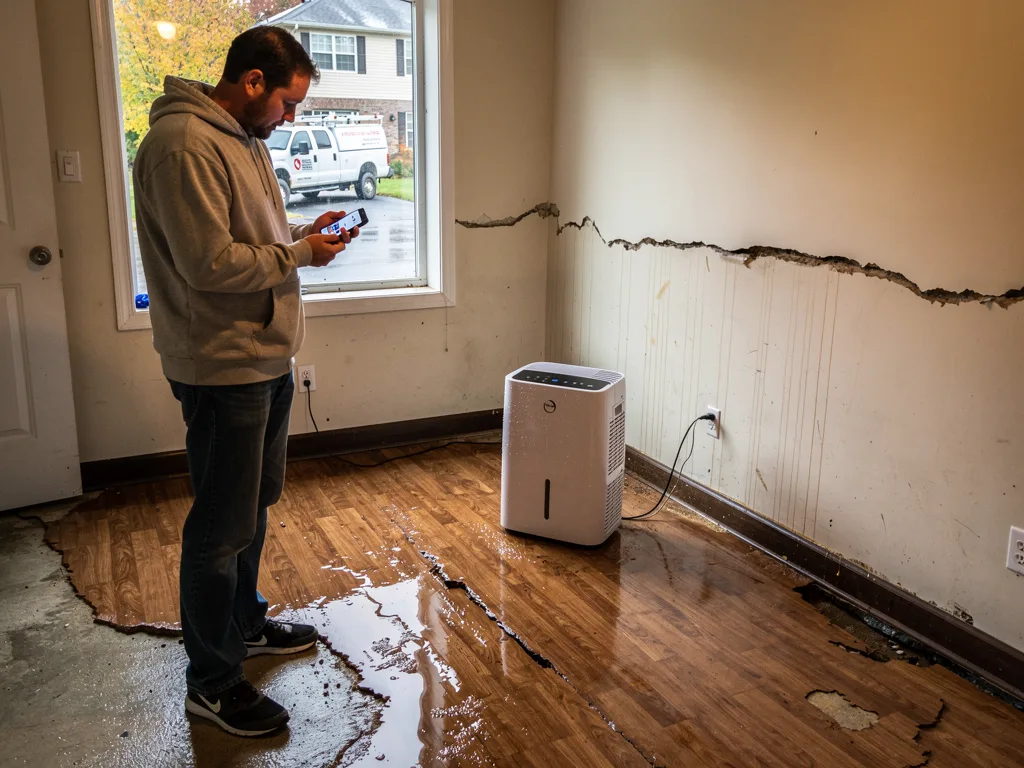
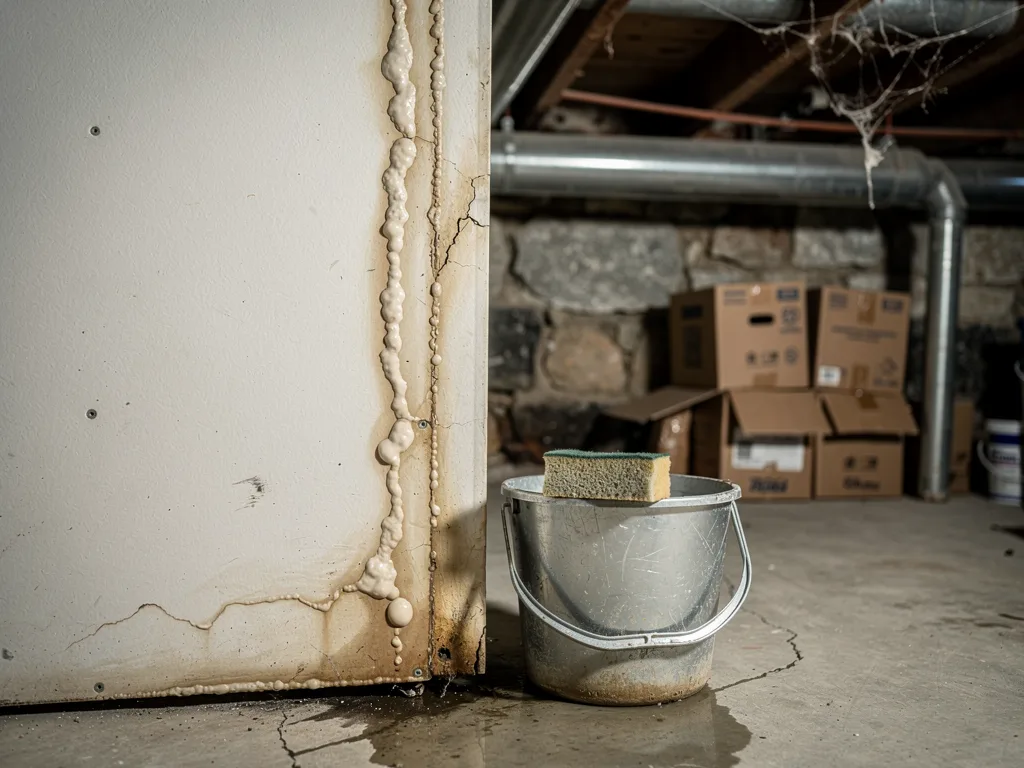
In Pennsylvania homes, minutes can matter when water starts seeping behind walls or under floors. A restoration specialist will tell you to look for dark stains along baseboards, peeling paint, or a musty odor that lingers after a rain. Even when you can’t see active leaks, high indoor humidity, warped trim, or unexplained damp spots are red flags. These signs don’t ask for a flashy fix; they point to a moisture problem that can worsen if ignored.
When moisture hides in building cavities, it can create a friendly environment for mold and mildew. That means our crews in Pennsylvania need to identify the source, not just the surface symptoms. A careful assessment helps prevent costly repairs later and keeps indoor air healthier for your family.
What to do if you notice signs
Call a restoration specialist if you notice any persistent dampness or a musty smell. Our team in Pennsylvania will perform a thorough visual check and, if needed, moisture readings to determine the extent of the issue. We’ll document findings and explain the next steps in plain language, not vague jargon. If you’re hearing water sounds behind walls or under flooring, it’s wise to pause activities nearby and avoid moving furniture that can trap moisture.
Until help arrives, keep the area ventilated and avoid using electrical devices near damp spots. If you’ve had recent storms, bring in a professional to confirm there’s no hidden intrusion that could worsen during the next rain.
Why early identification matters
Addressing moisture quickly limits the scope of work and the risk of secondary damage, like wood rot or compromised insulation. In Pennsylvania, where seasonal swings can stress the building envelope, early action saves time and money. A restoration specialist brings practical steps, including moisture containment, controlled drying, and safe removal of damaged materials, so you’re back to normal sooner.
Key steps for homeowners
– Keep an eye on any new stains or odors.
– Note areas that stay damp after drying periods.
– Schedule a professional assessment after significant events like storms or flooding.
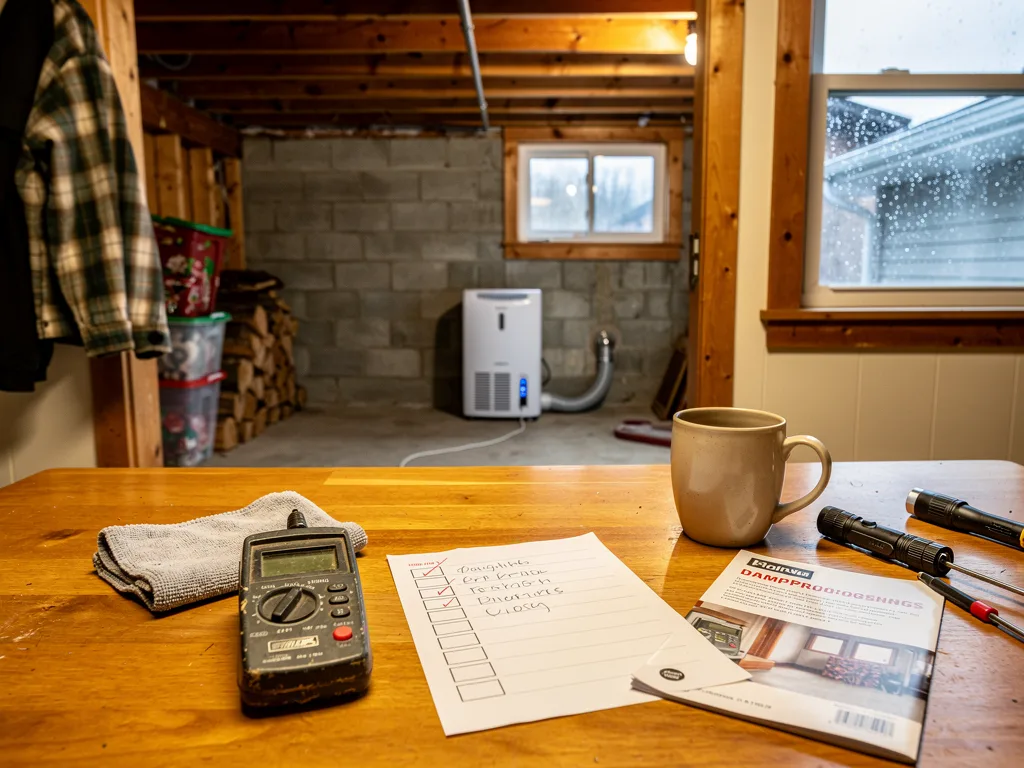
At-a-glance checklist
- Observe for persistent damp spots
- Document odors that linger
- Request an on-site evaluation from a restoration specialist