Spring and early summer: watch the thaw and rains
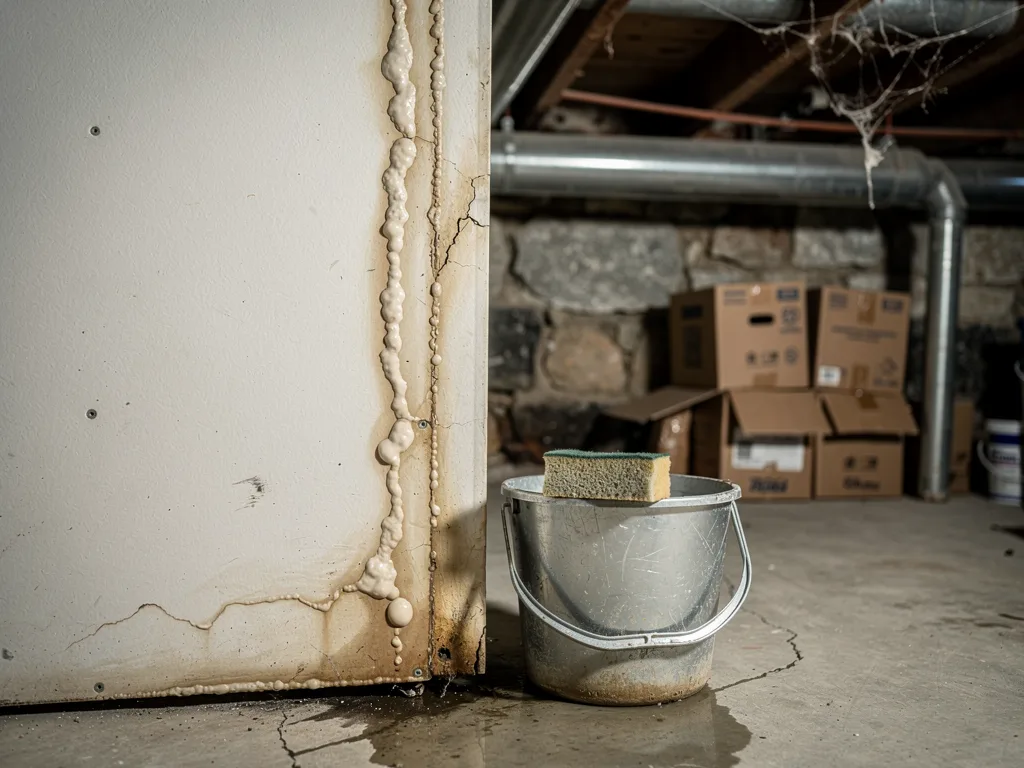
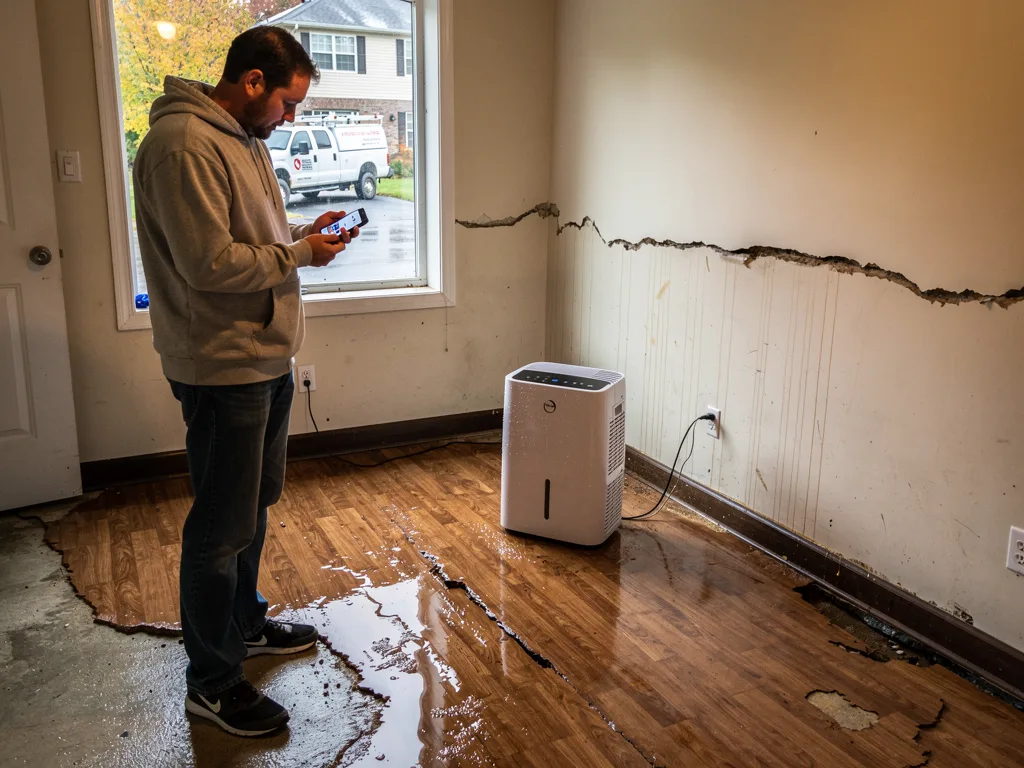
Spring brings snowmelt and heavier rainfall, which can push moisture toward foundations. Pennsylvania restoration specialists advise inspecting exterior sealing and gutters before heavy rains begin. Look for pooling around the foundation, cracks in the concrete, or gaps in window and door frames. Addressing these promptly helps prevent basement dampness and reduces the chance of hidden moisture behind walls.
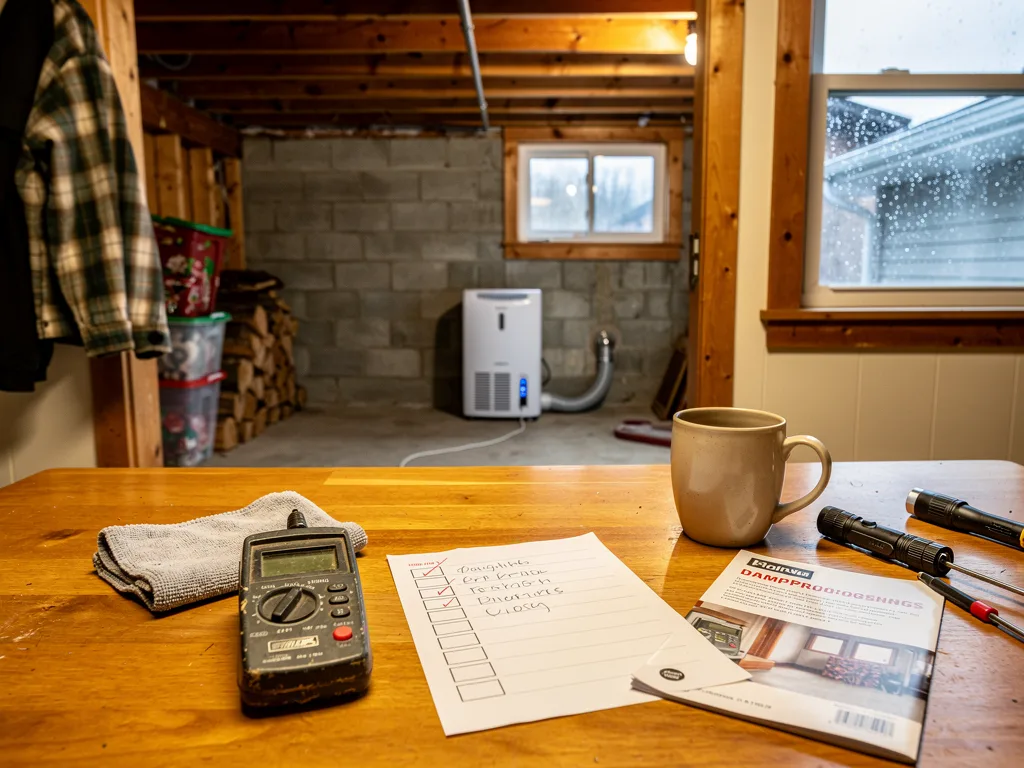
During spring, check inside spaces prone to moisture buildup, like basements and laundry rooms. Ventilation matters more than you might think. Use exhaust fans and dehumidifiers to maintain humidity levels around 40 to 50 percent. A steady indoor climate makes it harder for moisture to take hold.
Summer and fall: humidity peaks and storm risk
Pennsylvania summers can push humidity up, especially in attics and upper floors where heat rises. Ensure attics are properly ventilated and insulated so warm air doesn’t condense on cooler surfaces. If you notice condensation on windows, review insulation and consider a dehumidifier in problem rooms. After storms, inspect for roof or gutter damage and address leaks promptly with a restoration specialist’s guidance.
Autumn is a good time for a preventative check, too. Seasonal maintenance helps with moisture control and extends the life of your building envelope. A quick on-site evaluation by a restoration specialist can identify vulnerable spots before winter challenges begin.
Winter readiness and proactive steps
In winter, pipes face freeze-thaw cycles that can lead to leaks. Keep a slow, steady drip at faucets during extreme cold if advised by a professional, and ensure living spaces stay heated evenly to minimize condensation on cold surfaces. If you suspect a frozen pipe or a leak, contact a restoration specialist promptly to assess and plan the drying process without creating additional moisture elsewhere.
Practical homeowner habits
– Check for signs of moisture after heavy rain or rapid temperature changes.
– Run dehumidifiers in damp rooms and ensure proper ventilation in bathrooms and kitchens.
– Schedule an annual or semiannual on-site evaluation with a restoration specialist to keep moisture in check.